
Emergency Sewage Cleanup in Lakewood
If wastewater is coming up through a drain or toilet, every minute of delay means more water in more places. Here is what to do while you wait, how to tell an emergency from a nuisance, and what the response involves.
If sewage is coming up right now
Call (216) 221-3333. While you do, keep people and pets out of the affected area and stop sending more water down the drains.
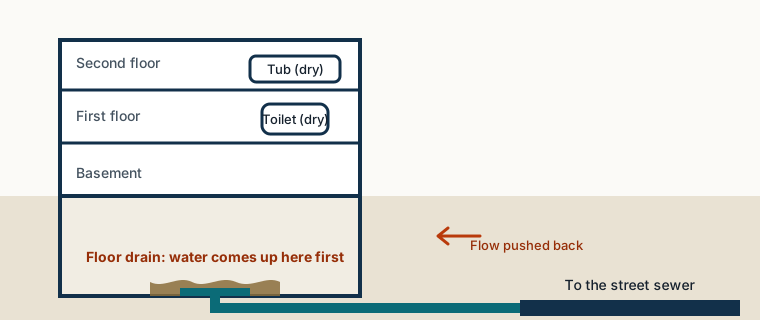
Wastewater that backs up can carry bacteria and other contaminants, and it spreads faster than most people expect. It runs under walls, into carpet and across a basement floor toward the lowest point. The first minutes are about limiting how far it goes.
What counts as an emergency
Treat it as an emergency when any of these is true:
- Wastewater is actively coming up from a drain, toilet or tub
- It has reached finished flooring, carpet, drywall or stored belongings
- It is spreading toward electrical equipment, a furnace or a breaker panel
- More than one fixture is backing up at the same time
A smell with no visible water is usually less urgent. It can come from a dry drain trap or a venting problem, and our page on sewage odor removal explains how to check.
What to do while you wait
Do
- Stop using toilets, sinks, showers, the dishwasher and the washing machine. Everything you run goes into the same line.
- Keep children, pets and anyone with a weakened immune system away from the area.
- If you must be near it, wear waterproof boots and gloves, avoid touching your face and wash up thoroughly afterward.
- Photograph and film the damage from a safe distance, and note when you found it.
Don't
- Don't wade through standing water near outlets, appliances or the breaker panel.
- Don't run a household vacuum or fans in the affected area.
- Don't wash sewage down a floor drain that is backing up.
- Don't mix bleach with other cleaners.
If you can do it safely
- Shut off the toilet's supply valve if it's in a dry spot.
- Close doors to the affected room to limit spread.
- Move dry valuables out of the path of the water.
- Shut off the main water supply if you can reach it without crossing contamination.
Our full first-hour guide goes into more detail on each step.
What happens when you call
We start with a few questions: where the water is, how much there is, whether it's still coming up and what kind of building it is. Those answers shape what the cleanup will involve. A single toilet overflow on a tile floor is a different job from a finished basement with several inches of standing water.
If you can, have a few details ready: the address, which fixtures are involved, whether anyone else in the building is affected, and whether you rent or own.
What the cleanup involves
On site, the first step is to assess the situation and make the area safe. Then the work typically moves through extraction of standing water, removal of materials that can't be cleaned, cleaning and disinfection, and drying. The basement cleanup page walks through each stage, and toilet overflow cleanup covers bathroom losses. If you're not sure how contaminated the water is, this page explains the categories.
Who else to notify
If you rent
Tell your landlord or property manager right away, ideally in writing, and keep a copy. See rental and multi-unit cleanup for how shared-building losses are usually handled.
If you own
Contact your insurance company as soon as you can. Some policies require prompt notice, and many exclude sewer backup unless an endorsement was added. Documenting a sewer backup explains what to record.
If you think the problem is in the street
If neighbors are affected or the backup started during heavy rain, the public sewer may be involved. Report it to the City of Lakewood through its website and keep a record of what you report. The guide to sewer backups and responsibility in Lakewood explains how to tell.
After the emergency
Once the space is cleaned and drying has started, the next question is why it happened. A sewer camera inspection shows what's inside the line, and drain cleaning can clear a blockage the camera finds. Without that step, a backup caused by roots or grease can simply happen again.
Drying is part of the recovery too. Drying and mold prevention covers how moisture is measured and why it matters even after everything looks dry.
Emergency questions
Should I call the city or a cleanup company first?
If sewage is inside your building, call for cleanup first. The source may be in the city main or in your own line, and the cleanup can't wait on that answer. Report a suspected street-sewer problem to the city afterward.
Is it safe to stay in the house?
Keep people out of the contaminated area and away from any wet electrical equipment. If the whole level is affected or anyone is ill, it's reasonable to stay elsewhere until the space is cleaned.
Can I keep using the other bathrooms?
Not while the line is backing up. Water from any fixture travels to the same blocked or overloaded line, and it can come out at the lowest opening. Wait until the cause is cleared.
Do I need to shut off the water?
Stopping water use is the priority. Shutting off the main supply is reasonable if you can reach the valve without walking through contamination.
Sewage coming up? Call now.
Tell us where the water is and whether it's still rising. The address is 16929 Detroit Ave, Lakewood, OH 44107, and we serve Lakewood.